Diamond Wheels About
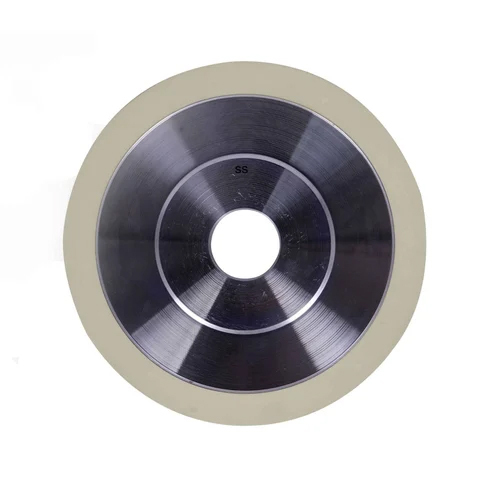
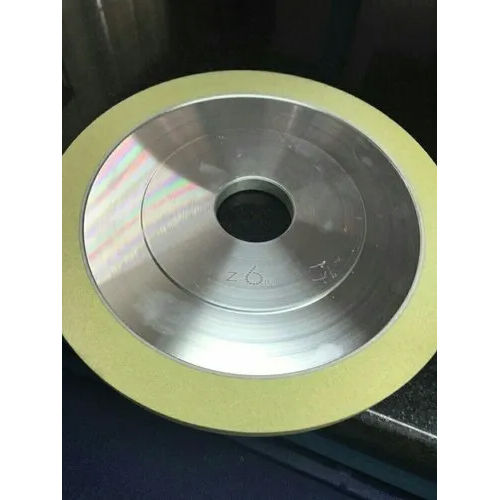
Diamond Wheels are precision tools used in various industries such as jewelry-making, glass-making, and metalworking. These wheels are made from high-quality diamond particles that are bonded onto a metal or resin matrix. Diamond wheels are known for their durability, excellent grinding properties, and ability to produce a smooth finish on hard materials such as glass, ceramics, and metals. They are available in various shapes, sizes, and grits to suit different applications. Diamond Wheels are used in conjunction with water or oil-based coolants to prevent overheating and improve performance. Overall, the offered wheels are an indispensable tool for any industry that requires precision grinding and finishing of hard materials.
Wide Grit and Shape Range for Versatile ApplicationsOffering grit sizes from coarse 60 mesh to ultra-fine 4000 mesh, Diamond Wheels adapt seamlessly to various grinding and finishing requirements. Their availability in multiple shapes-flat, dish, cup, and custom-makes them suitable for specialized industrial tasks, from tool sharpening to precise material shaping.
Optimized Bond Types for Different MaterialsChoose from resin, metal, vitrified, and electroplated bonds to match the exact demands of the material you're working with, whether it's carbide, glass, ceramics, gemstones, or metals. Each bond type is engineered for ideal performance, delivering exceptional durability and consistent quality in every application.
Engineered for Precision and CustomizationThese wheels feature high accuracy and customizable dimensions-thickness, center hole, overall size-making them compatible with most grinding/cutting facilities. Their design accommodates high rotation speeds (up to 4500 RPM) and peripheral speeds up to 40 m/s, while offering edge variations like continuous, segmented, and turbo for optimal results.
FAQ's of Diamond Wheels:
Q: How do I select the appropriate grit size and bond type for my application?
A: Choosing the right grit size depends on your material and the desired finish: lower grit numbers (coarse) suit heavy stock removal, while higher grits (fine) are ideal for polishing and finishing. The bond type-resin, metal, vitrified, or electroplated-should match the hardness and nature of your workpiece. For hard materials like carbide, a metal or vitrified bond is often recommended.
Q: What materials and industries can benefit from using these diamond wheels?
A: These diamond wheels excel in industrial settings, particularly for working with carbide, glass, ceramics, gemstones, and other hard materials. They are ideal for use in tool fabrication, precision manufacturing, stone processing, and glasswork, serving exporters, traders, suppliers, and wholesalers.
Q: When should I use wet or dry grinding modes with diamond wheels?
A: Wet grinding is recommended for most applications to enhance cooling, extend wheel life, and minimize dust. Dry grinding can be used for certain materials and when water may not be suitable, but it requires careful operation to avoid overheating or wheel damage.
Q: Where can these diamond wheels be installed, and are they compatible with standard machines?
A: These wheels are designed to fit most precision grinding and cutting machines, with customizable dimensions such as center hole diameter and thickness ensuring compatibility across various models. Their versatile design allows for easy integration into existing industrial equipment.
Q: What is the process for customizing a diamond wheel to specific needs?
A: To customize a diamond wheel, specify your needed dimensions (diameter, thickness, center hole size), preferred bond type, grit size, and shape. Manufacturers and suppliers in India can provide tailored solutions to fit unique machine and application requirements.
Q: How should diamond wheels be stored and maintained for optimal lifespan?
A: Store diamond wheels in a dry, temperature-stable environment, away from direct sunlight or moisture. Before use, inspect for damage and balance. Clean the wheels after each use and avoid dropping or exposing them to harsh impacts to maintain precision and prolong durability.
Q: What are the key benefits of using these diamond wheels over conventional abrasive wheels?
A: Diamond wheels provide much higher durability, sharper edge retention, and significantly improved heat resistance. They deliver precise, consistent results while reducing the need for frequent replacements, making them a cost-effective solution for demanding industrial applications.




 Send Inquiry
 Send Inquiry

